
-
Send us a mail [email protected]
-
Call us anytime +91-9999884400
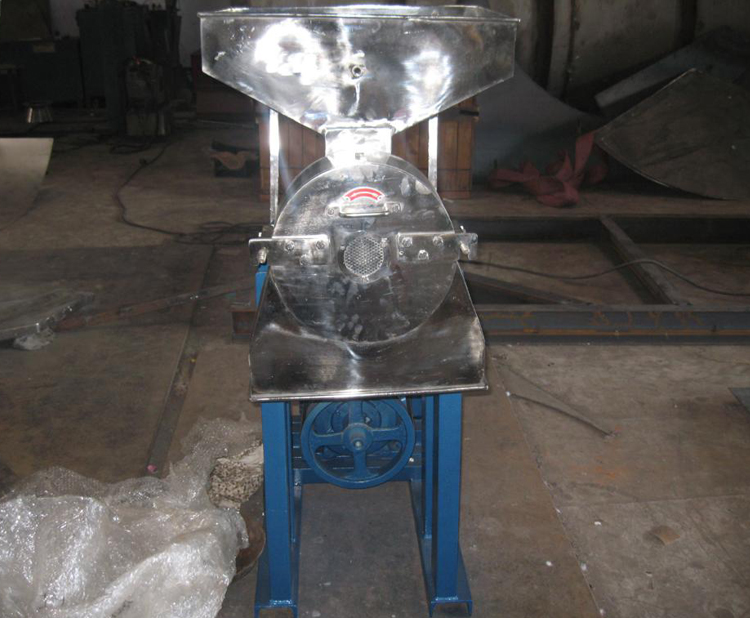
Sugar Grinder: Complete Guide, Working, Features & Industrial Applications
In modern food processing and confectionery industries, maintaining uniform texture, consistent quality, and hygienic production processes is essential. One machine that plays a crucial role in achieving this is the Sugar Grinder. Whether it’s bakery production, sweet manufacturing, beverage premixes, dairy items, or confectionery products, the sugar grinder is responsible for converting crystal sugar into ultra-fine powder, ensuring smoothness, better blending, and improved taste in the final product.
At Times Automation, we manufacture high-performance Sugar Grinder machines designed for maximum precision, hygiene, and efficiency. This detailed blog provides a complete understanding of sugar grinders—what they are, how they work, their types, uses, and why modern industries rely heavily on them.
What Is a Sugar Grinder?
A Sugar Grinder is a specialized machine used to crush, pulverize, and grind crystal sugar into fine or ultra-fine powdered sugar. This powdered form—often called icing sugar, caster sugar, or confectionery sugar—is used in hundreds of applications requiring smooth texture and perfect blending.
The primary purpose of a sugar grinder is to:
Reduce sugar particle size
Achieve consistent fineness
Produce a smooth and uniform powder
Prevent overheating or burning of sugar
Increase productivity and ensure hygienic processing
Sugar grinders are widely used across food processing, beverage, dairy, sweet manufacturing, and even pharmaceutical units.
Why Industries Use a Sugar Grinder
The demand for powdered sugar has increased rapidly due to modern food production techniques. Crystal sugar does not dissolve quickly and often affects the texture of the product. Powdered sugar, on the other hand, blends instantly, tastes smoother, and improves the appearance of food items.
Industries rely on sugar grinders because:
Powdered sugar enhances taste and mixing quality
Uniform particle size improves recipe consistency
Automated grinding reduces manual effort
Hygienic machine design prevents contamination
High-speed grinding increases production volume
For brands focusing on quality, efficiency, and premium output, a Sugar Grinder is a must-have machine.
How Does a Sugar Grinder Work?
The working of a sugar grinder is simple yet highly efficient. Here’s how the process happens inside the machine:
1. Feeding System
Crystal sugar is fed into the hopper of the grinder. The feeding system ensures that the sugar enters the chamber in a controlled manner to maintain consistent grinding.
2. Grinding / Crushing
Inside the chamber, high-speed rotating blades or beaters crush the sugar crystals. The impact force reduces sugar into fine grains, and continuous hammering turns it into powder.
3. Sieving / Filtering
After grinding, the powdered sugar passes through a mesh sieve. Only fine particles come out, while coarse sugar gets reprocessed automatically.
4. Final Discharge
The fine, smooth powdered sugar is collected from the discharge outlet, ready for packaging, mixing, or further processing.
This closed system ensures dust-free, hygienic, and continuous production, making the process safe and efficient.
Types of Sugar Grinders
Depending on the fineness level and industrial requirements, different types of sugar grinders are available.
1. Pin Mill Sugar Grinder
Uses interlocking pins for fine and ultra-fine powder
Ideal for confectionery sugar and icing sugar
2. Hammer Mill Sugar Grinder
Uses heavy-duty hammers for grinding
Best for medium-fine sugar used in bakery and sweet production
3. Pulverizer Type Grinder
High-speed blades create uniform powder
Widely used across food and beverage industries
4. Air Classifier Mill
Maintains low temperature while grinding
Best for heat-sensitive materials and high-precision grinding
Each type offers unique performance benefits depending on the application and required output.
Key Features of an Industrial Sugar Grinder
A high-quality Sugar Grinder includes:
Food-grade stainless steel construction
High RPM for ultra-fine grinding
Multiple mesh sizes for custom fineness
Dust-free processing system
Energy-efficient, long-life motor
Low noise and vibration
Easy cleaning and maintenance
Compact design for space-saving installation
Overload protection & safety controls
These features ensure long-term performance and consistent product quality.
A Sugar Grinder is used in a wide variety of industries including:
Bakery & Confectionery
Used to prepare powdered sugar for cakes, donuts, frosting, icing, cookies, and desserts.
Chocolate & Candy Manufacturers
Fine sugar is essential for smooth chocolate texture and glossy finish.
Dairy & Ice-Cream Industry
Used in ice-cream mixes, flavored powders, and instant dairy additives.
Beverage & Premix Industry
Essential for tea/coffee premixes, flavored drinks, and instant mix powders.
Indian Sweet (Mithai) Production
Laddus, barfi, peda, and other sweets rely on high-quality powdered sugar.
Spice & Food Processing Units
Used to make sugar blends, masalas, seasonings, and ready-to-eat mixes.
Pharmaceutical & Nutraceuticals
Used for coating tablets and preparing fine powder for supplements.
Because of this wide range of use, the Sugar Grinder has become a necessary machine in almost every food and processing industry.
Benefits of Using a Sugar Grinder
Uniform Fineness
Achieves consistent particle size, which improves final product taste and appearance.
Increased Production
High-speed grinders boost productivity and reduce manual labor.
Hygienic & Safe
Stainless steel construction ensures contamination-free processing.
Cost-Effective
Reduces wastage, improves product consistency, and requires low maintenance.
Versatile
Can also grind salt, spices, grains, and similar materials depending on settings.
Low Heat Processing
Prevents sugar from melting during grinding, ensuring quality output.
These benefits make the Sugar Grinder a vital machine for industries looking to maintain quality at scale.
Why Choose Times Automation Sugar Grinder?
Times Automation is one of the trusted names in industrial machinery manufacturing. Our Sugar Grinder is designed for exceptional performance, durability, and hygiene.
What Makes Our Sugar Grinder Unique?
Precision engineering
Energy-efficient motor technology
High-performance grinding chamber
Low maintenance cost
Long operational life
Customizable capacity options
Fully food-grade construction
Excellent after-sales support
We ensure machines that deliver high efficiency, hygiene, and maximum productivity for your production line.
FAQs (Frequently Asked Questions)
1. What is a Sugar Grinder used for?
A sugar grinder is used to convert crystal sugar into fine powder for use in bakery, sweets, beverages, and various food applications.
2. Can a sugar grinder produce ultra-fine powdered sugar?
Yes. Depending on the model, a sugar grinder can achieve ultra-fine fineness up to 200+ mesh.
3. Is powdered sugar better than crystal sugar for food production?
Yes. Powdered sugar blends faster, improves texture, and enhances the final product’s taste and appearance.
4. Can a sugar grinder process materials other than sugar?
Some models can grind salt, spices, grains, and dehydrated products depending on the design.
5. Is the machine easy to clean and maintain?
Yes. Most sugar grinders from Times Automation come with easy-access chambers, stainless steel construction, and low-maintenance design.