
-
Send us a mail [email protected]
-
Call us anytime +91-9999884400
Material Handling System
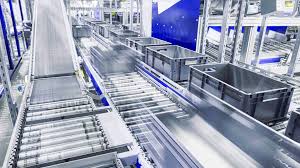
Introduction to Material Handling Systems
A Material Handling System is the backbone of modern industrial operations, ensuring smooth movement, storage, control, and protection of materials throughout the entire production cycle. From raw materials to finished goods, every stage of manufacturing depends on efficient handling. Industries today require faster production, higher safety, and reduced costs, which is why advanced Material Handling Systems are becoming essential in factories, warehouses, chemical plants, food industries, and logistics units.
Times Automation delivers high-quality, robust, and customized Material Handling Systems designed to enhance productivity, reduce manual workload, and support seamless industrial operations.
What Is a Material Handling System?
A Material Handling System refers to equipment and mechanisms used for transporting, storing, and managing materials inside industrial facilities. This system includes conveyors, pneumatic conveying systems, bucket elevators, screw conveyors, automated loaders, and customized handling setups designed for industry-specific needs.
It is responsible for moving materials efficiently, reducing human effort, maintaining safety, and improving the overall workflow of manufacturing units.
Types of Material Handling Systems
Industries use multiple types of Material Handling Systems depending on their product nature, production flow, and layout.
Conveyor Systems
Conveyors are widely used for continuous and automatic movement of materials along production lines. They help industries in packing, sorting, assembly, and manufacturing by offering consistent and fast material flow.
Pneumatic Conveying Systems
These systems transport powders, granules, chemicals, and bulk materials using air pressure or vacuum. Pneumatic systems ensure dust-free, hygienic, and contamination-free transfer, making them ideal for food, chemicals, and pharmaceuticals.
Screw Conveyors
Screw conveyors handle semi-solid, granular, or powdery materials efficiently. Their simple design and durable structure make them suitable for industries such as agriculture, cement, minerals, and chemicals.
Bucket Elevators
Bucket elevators are used for lifting bulk materials vertically. Industries handling grains, fertilizers, cement, and chemicals rely on bucket elevators for fast and efficient vertical transportation.
Customized Material Handling Systems
Times Automation specializes in designing fully customized systems based on factory layout, production capacity, material density, and specific industrial requirements. These custom-built systems ensure maximum efficiency and long-term durability.
Benefits of Using a Material Handling System
The biggest advantages of Material Handling Systems include improved productivity with uninterrupted material movement, reduced labor involvement and enhanced safety, error-free and consistent performance during production, less material wastage and better inventory management, and minimal downtime due to smooth, automated operations.
Automated handling systems also help industries achieve faster delivery, better quality control, and cost efficiency.
Applications of Material Handling Systems
A Material Handling System is used across almost every major industry.
Food and Beverage Industry
Conveyors, screw conveyors, and pneumatic systems handle grains, spices, flour, sugar, and packaging materials in hygienic environments.
Pharmaceutical Industry
The pharmaceutical sector requires hygienic, dust-free material handling, especially for powders, granules, and active pharmaceutical ingredients (API). Pneumatic systems are highly preferred here.
Chemical Industry
Handling chemicals requires corrosion-resistant and durable systems. Screw conveyors, pneumatic conveyors, and custom-built lines ensure safe movement of hazardous materials.
Agriculture
Bucket elevators, belt conveyors, and screw conveyors help in transporting grains, seeds, and fertilizers efficiently.
Warehousing and Logistics
Material Handling Systems play a critical role in sorting, stacking, palletizing, and transporting goods in warehouses. Automated handling equipment increases storage efficiency and ensures timely order fulfillment.
Material Handling System Comparison Table
| Material Handling System | Best Suited For | Key Advantage |
|---|---|---|
| Conveyor System | Manufacturing & Packaging | High-speed continuous movement |
| Pneumatic Conveying | Powders & Bulk Solids | Dust-free and hygienic transfer |
| Screw Conveyor | Granules & Semi-solids | Simple, durable and efficient |
| Bucket Elevator | Vertical Lifting | Fast lifting with minimal space usage |
Importance of Material Handling Systems in Industries
A properly designed Material Handling System improves efficiency by eliminating manual errors, ensuring smooth material flow, reducing waste, minimizing handling time, and increasing production speed. It enhances workplace safety, allowing industries to avoid accidents and injuries caused by manual lifting. It improves product quality and reduces contamination in food and pharmaceutical industries. It optimizes space usage inside factories and warehouses through structured material movement. It reduces operational costs by automating repetitive tasks and minimizing labor dependency.
For industries aiming to scale production, maintain quality, and reduce downtime, an advanced Material Handling System is essential.
Times Automation stands out as one of India’s trusted manufacturers of Material Handling Systems due to their quality engineering, advanced technology, and industry-specific customization. They offer high-performance systems built with strong and durable materials to withstand heavy-duty industrial operations. Their systems are designed to deliver maximum output, long lifespan, and seamless operation.
Times Automation provides complete solutions from system design to installation and maintenance. Their goal is to enhance industrial productivity, improve safety standards, and reduce operational costs through automation.
FAQs – Material Handling System
Q1: What is the main purpose of a Material Handling System?
The main purpose is to ensure smooth, safe, and efficient movement of materials in industries, improving productivity and reducing manual effort.
Q2: Which industries use Material Handling Systems most?
Food processing, chemicals, pharmaceuticals, agriculture, logistics, mining, cement, FMCG, and manufacturing industries widely use these systems.
Q3: Can Times Automation customize the system according to factory layout?
Yes, Times Automation designs customized systems based on production capacity, space availability, and material type.
Q4: Which system is ideal for handling powders and granules?
Pneumatic conveying systems are best for hygienic, dust-free, and efficient handling of powders and granules.
Q5: Does automation reduce labor cost?
Yes, automated systems significantly reduce manual labor and increase safety by eliminating risky tasks.
Q6: Does Times Automation provide installation and after-sales service?
Yes, they provide complete service including planning, installation, training, and maintenance support.
Conclusion
A Material Handling System is essential for modern industries looking to enhance production speed, maintain efficiency, and ensure safety. Automated material movement boosts productivity, lowers costs, and ensures smooth workflow. Times Automation continues to deliver industry-leading Material Handling Systems designed to support small, medium, and large-scale industries with precision, quality, and reliability.